
How Roof Pitch and Square Footage Dictate Your Final Roof Estimate: A Comprehensive Guide
Delving into the intricacies of how roof pitch and square footage impact your final roof estimate, this piece aims to shed light on key factors that determine the cost of your roofing project. Prepare to uncover a wealth of information that will empower you in making informed decisions about your roof.
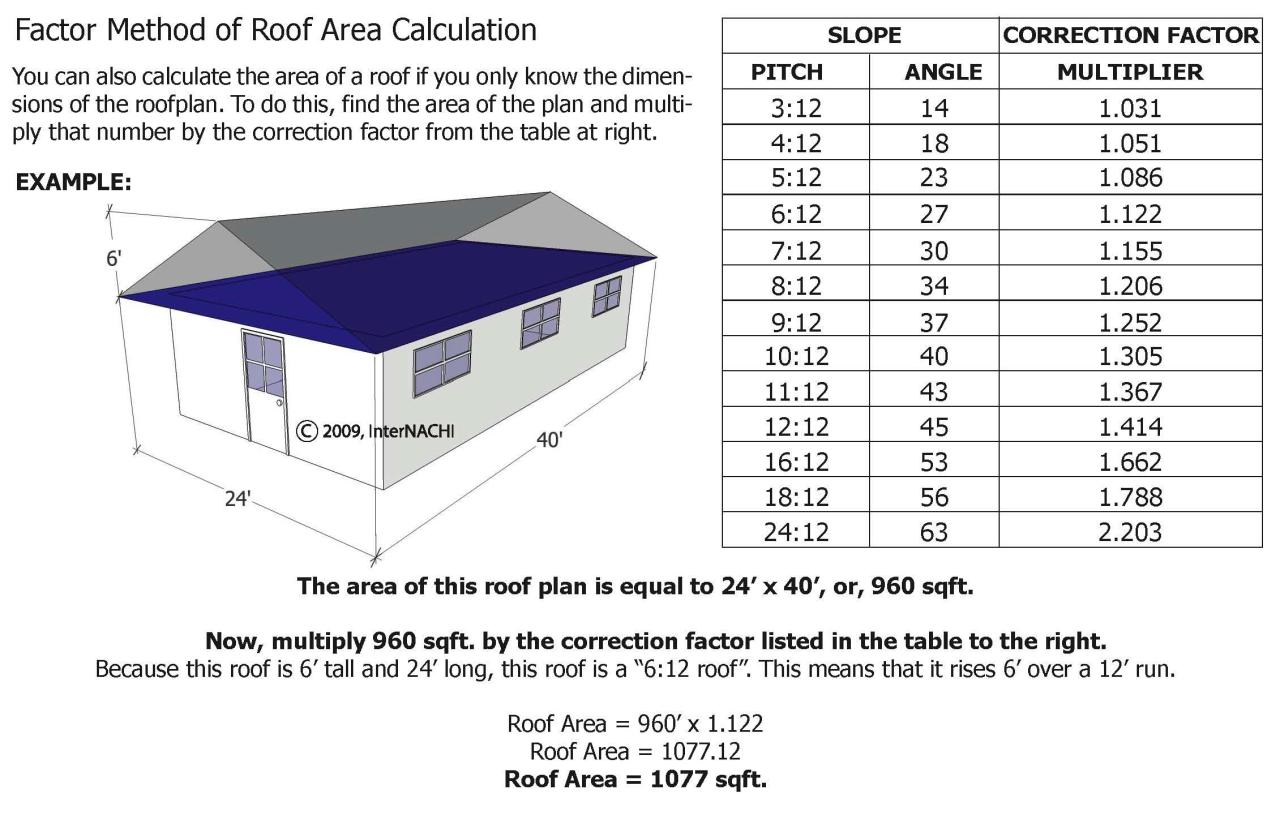
Roof pitch refers to the steepness or angle of a roof. It is typically measured in terms of the rise over the run, indicating how many inches the roof rises vertically for every foot of horizontal distance.Different types of roof pitches are commonly used in construction, ranging from low-pitch roofs to high-pitch roofs.
Low-pitch roofs have a slight incline, while high-pitch roofs have a steeper slope. The pitch of a roof can greatly impact its overall aesthetics and functionality.
When it comes to the choice of roofing materials, the pitch of a roof plays a significant role in determining what type of materials are suitable. The pitch, or slope, of a roof affects how water drains off it, as well as the overall structural integrity of the roof.
The following are examples of roofing materials that are suitable for different roof pitches:
Choosing the appropriate roofing material based on the roof pitch is crucial to ensure the longevity and performance of the roof. Using the wrong material for a specific pitch can result in water infiltration, poor drainage, and ultimately, structural damage.
By selecting the right material, homeowners can prevent costly repairs and maintain the integrity of their roof over time.
When it comes to determining the square footage of your roof, accuracy is key in ensuring you have the right amount of materials and estimating costs correctly.
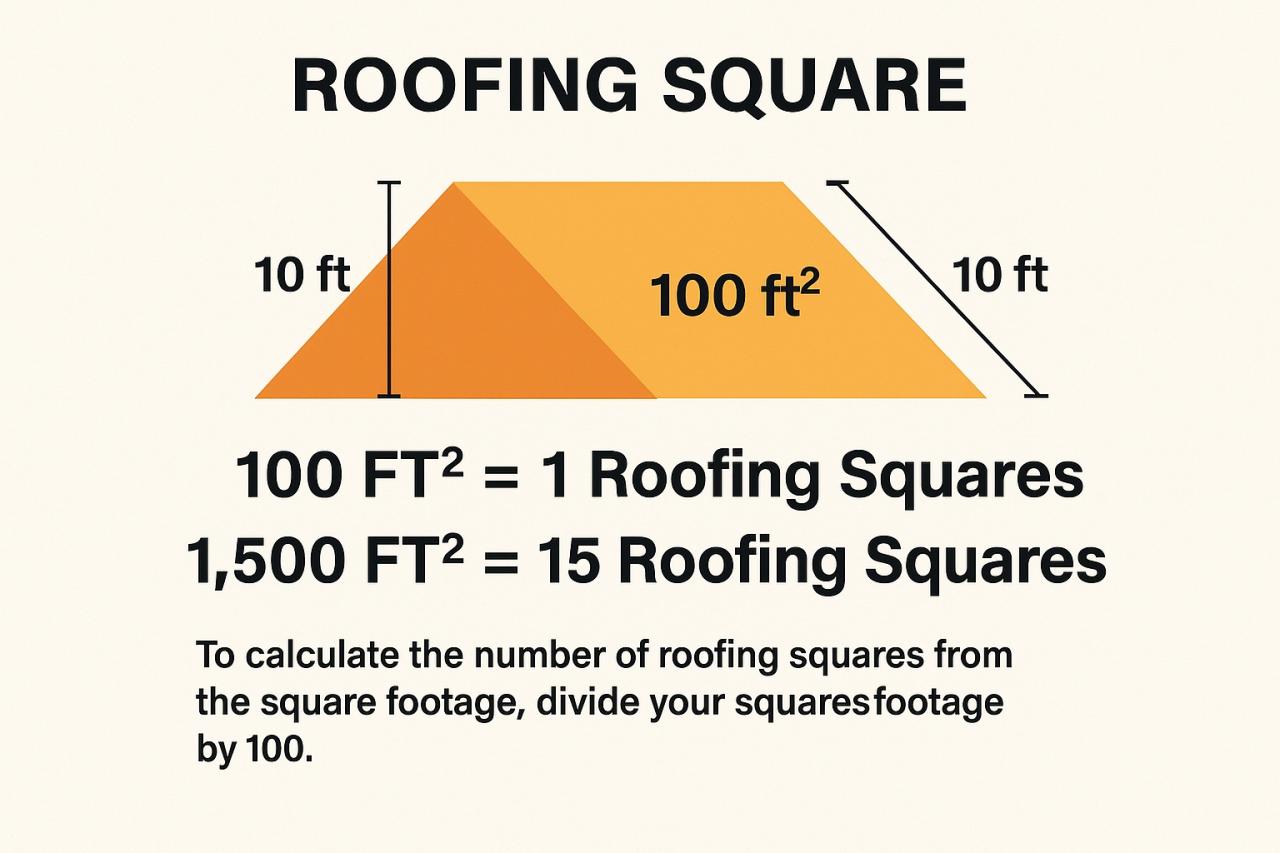
One common method is to break down the roof into simple geometric shapes like rectangles and triangles, measuring each section and adding them up to get the total square footage. For more complex roofs, software tools like Roofr or EagleView can provide precise measurements.
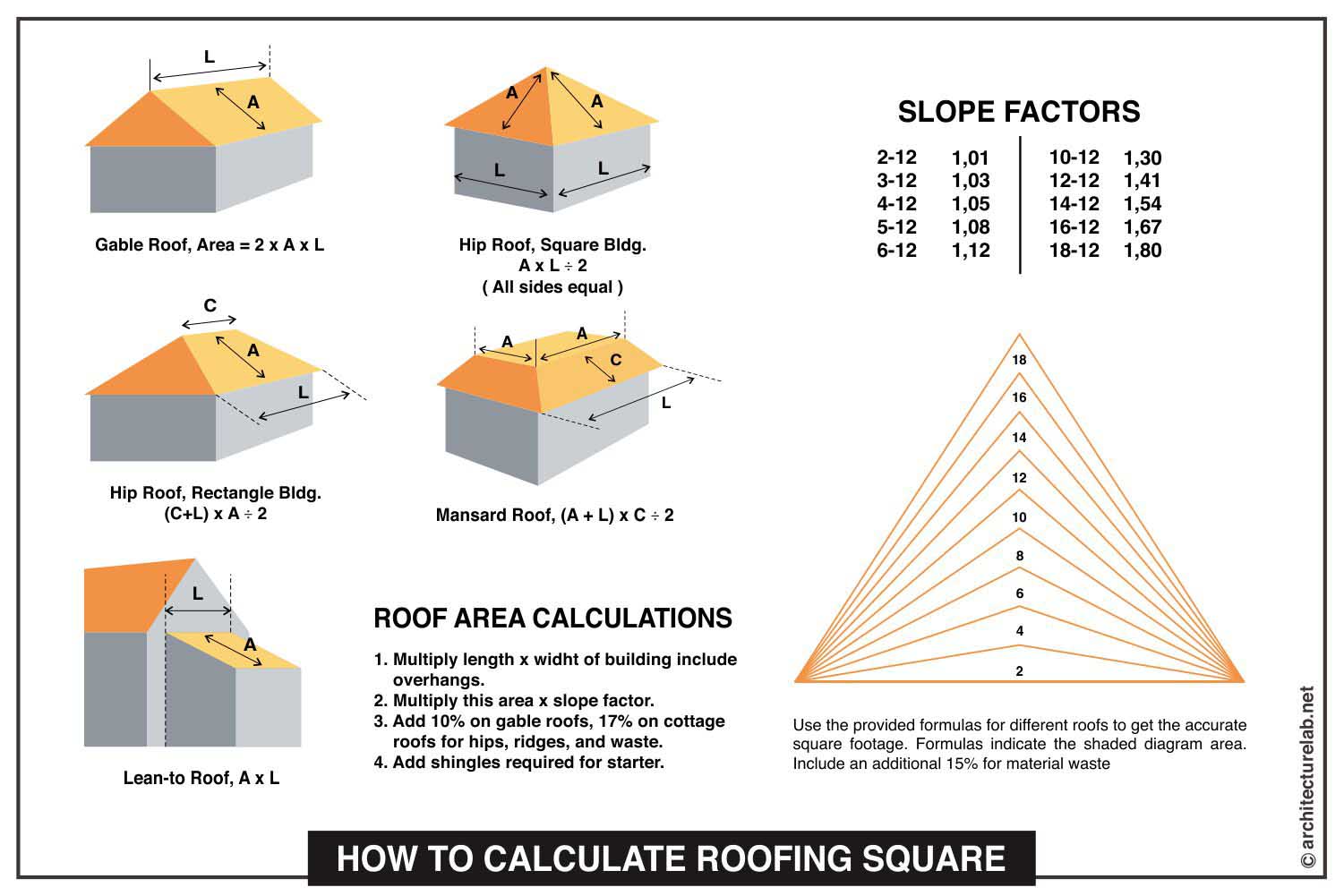
When it comes to estimating the cost of a roofing project, the roof pitch and square footage play crucial roles in determining the final price. The interaction between these two factors can significantly impact the overall cost, and understanding how they influence each other is key for both contractors and homeowners.Roof pitch refers to the steepness or incline of the roof, usually expressed as a ratio of vertical rise to horizontal run.
A steeper roof pitch requires more materials and labor to install, which can drive up the cost of the project. On the other hand, a lower roof pitch may be more cost-effective but could have limitations in terms of design and drainage.Square footage, on the other hand, directly correlates to the size of the roof and the amount of material needed for the project.
A larger square footage will require more materials, labor, and time to complete, ultimately affecting the final estimate.
When it comes to roof pitch, a steeper incline will generally result in a higher cost estimate due to the increased complexity of installation. Roofers may need specialized equipment and safety measures to work on steep roofs, adding to the overall expenses.
Additionally, the pitch of the roof can impact the type of roofing materials that can be used, with certain materials being better suited for specific pitches.
It is important to consider the structural integrity of the roof when determining the appropriate pitch, as well as any local building codes that may dictate minimum requirements.
The square footage of the roof directly affects the amount of materials needed for the project, as well as the labor required to install them. Larger roofs will naturally incur higher costs, as more materials and time are needed to complete the job.
Contractors will factor in the square footage when providing estimates to ensure they account for all necessary resources.
Calculating the square footage accurately is essential for determining the scope of the project and providing an accurate cost estimate to clients.
How do I measure roof pitch?
To measure roof pitch, you need to determine the vertical rise for every 12 inches of horizontal run. This ratio is typically expressed as a fraction.
Which roofing materials are best suited for a steep roof pitch?
Materials like slate, metal, or asphalt shingles work well for steep roof pitches as they offer durability and water resistance.
Why is accurate square footage calculation important for a roofing project?
Accurate square footage calculation ensures that you purchase the right amount of materials, preventing wastage and cost overruns.