James Hardie Fiber Cement vs. Vinyl Siding: True Installation Costs and Durability
As James Hardie Fiber Cement vs. Vinyl Siding: True Installation Costs and Durability takes center stage, this opening passage beckons readers into a world crafted with good knowledge, ensuring a reading experience that is both absorbing and distinctly original.
When it comes to siding options like James Hardie fiber cement and vinyl, understanding the installation costs and durability is key for making informed decisions. This comparison sheds light on the true costs and long-term prospects of these popular siding choices.
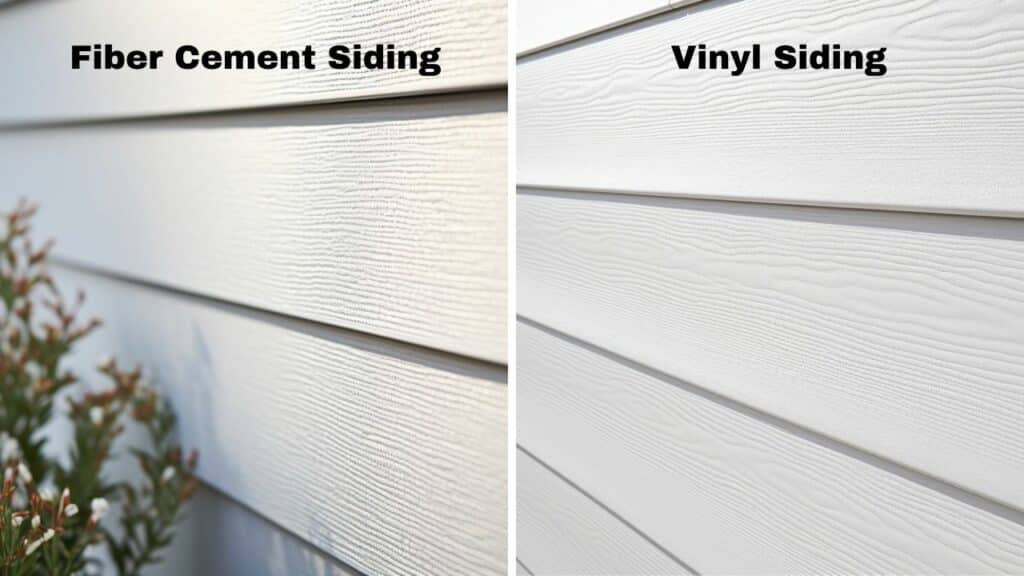
When it comes to installing siding, whether it’s James Hardie fiber cement or vinyl, the process involves specific steps and requirements. Let’s break down the installation process for each type of siding to understand the differences.
Installing James Hardie fiber cement siding typically involves the following steps:
The installation process for vinyl siding includes the following steps:
Both James Hardie fiber cement and vinyl siding installations require specific tools and materials to complete the job:
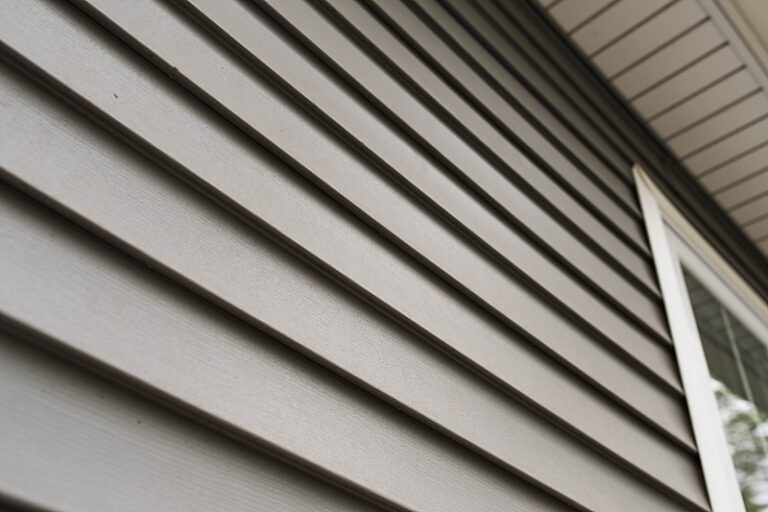
In terms of complexity, James Hardie fiber cement siding installation is typically considered more labor-intensive and requires precision cutting and handling due to the material’s weight and composition. On the other hand, vinyl siding installation is known for its ease of handling and lightweight nature, making it a popular choice for DIY projects.
The choice between the two will depend on the homeowner’s preferences, budget, and willingness to invest time and effort in the installation process.
When it comes to the true installation costs of James Hardie fiber cement siding, it’s essential to consider various factors that can influence the overall expenses. From the initial material costs to labor fees and additional supplies, every aspect plays a role in determining the final price.
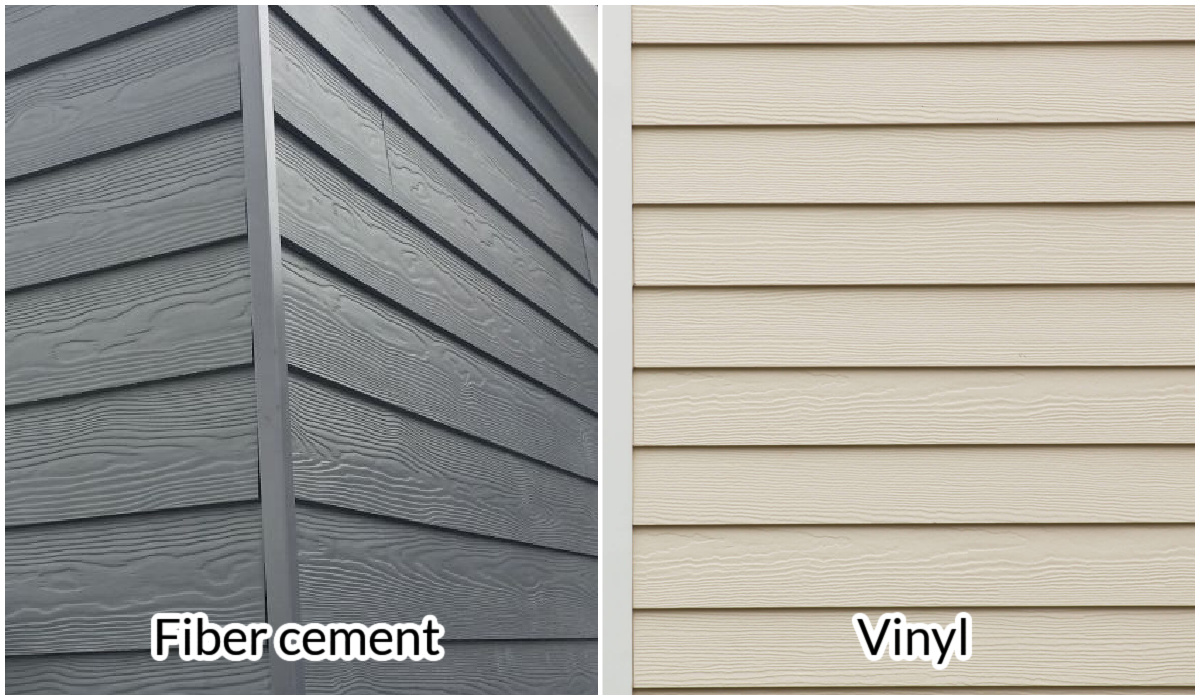
Fiber cement and vinyl siding are popular choices for homeowners due to their durability and low maintenance requirements. Understanding how these materials hold up over time and what kind of care they need is crucial in making an informed decision for your home.James Hardie fiber cement siding is known for its exceptional durability, especially in various weather conditions.
It is resistant to rot, fire, termites, and moisture, making it a reliable choice for long-term protection of your home. Its ability to withstand harsh elements such as heavy rain, strong winds, and extreme temperatures make it a preferred option for many homeowners looking for a resilient siding material.
When it comes to the environmental impact of manufacturing James Hardie fiber cement siding, it’s important to note that the production process involves the use of natural and sustainable materials such as cement, sand, and cellulose fibers. This results in a product that is durable and long-lasting, reducing the need for frequent replacements and ultimately decreasing waste.
Vinyl siding, on the other hand, is made from polyvinyl chloride (PVC) which is a synthetic plastic material. The production of PVC involves the use of chemicals and fossil fuels, contributing to air pollution and greenhouse gas emissions. Additionally, the manufacturing process of vinyl siding generates toxic byproducts that can harm the environment.
Both James Hardie fiber cement and vinyl siding can be recycled, but the process for recycling fiber cement siding is more complex due to its composition. However, many companies offer recycling programs for both types of siding to reduce waste and promote sustainability.
Additionally, some manufacturers have introduced eco-friendly initiatives to minimize their environmental footprint and promote sustainable practices in the industry.
Is James Hardie fiber cement siding more expensive to install than vinyl siding?
While the initial installation cost of James Hardie fiber cement may be higher, it offers long-term savings due to its durability and low maintenance requirements.
How do the maintenance requirements of James Hardie fiber cement siding compare to vinyl siding?
James Hardie fiber cement siding generally requires less maintenance compared to vinyl siding, which may need more frequent cleaning and repairs over time.
Are there any specific tools required for installing James Hardie fiber cement siding?
Yes, specific tools like fiber cement shears, a circular saw with a dust collector, and corrosion-resistant nails are typically used for installing James Hardie fiber cement siding.
What is the lifespan of vinyl siding compared to James Hardie fiber cement siding?
Vinyl siding typically lasts around 20-40 years, while James Hardie fiber cement siding can last 50 years or more with proper maintenance.