Personal Injury Settlement Calculator: What Can Affect Your Compensation?
Personal Injury Settlement Calculator: What Can Affect Your Compensation? sets the stage for this enthralling narrative, offering readers a glimpse into a story that is rich in detail and brimming with originality from the outset.
Exploring the intricate web of factors that influence personal injury settlements, this discussion dives deep into the key elements that can impact the compensation you receive.
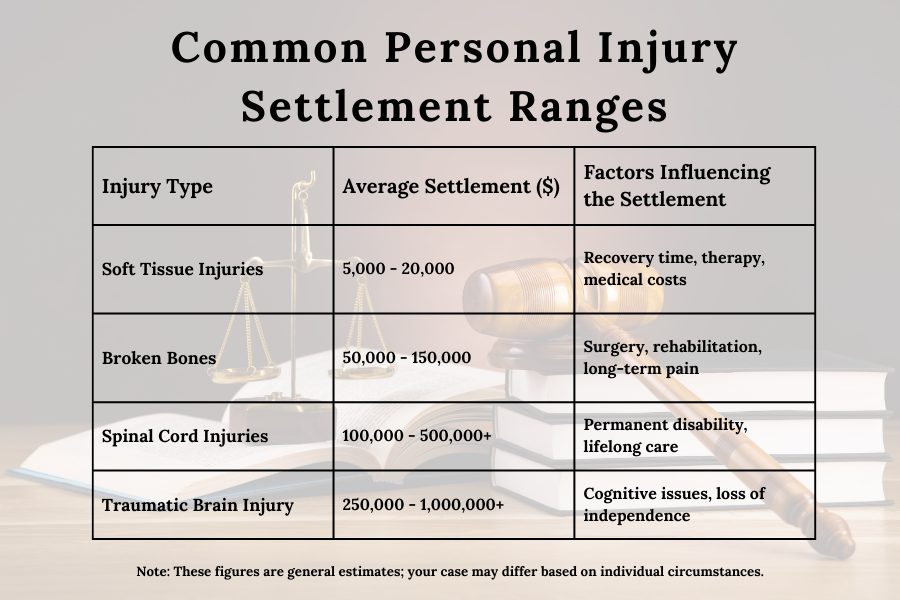
When determining the compensation amount for a personal injury settlement, several factors come into play. Let’s delve into how medical expenses, lost income, pain and suffering, as well as liability and negligence, can impact the final settlement amount.
Medical expenses play a crucial role in determining the compensation amount for a personal injury settlement. The costs associated with medical treatment, rehabilitation, and ongoing care are typically factored into the final settlement amount. These expenses are essential in calculating the financial impact of the injury on the victim’s life.
Lost income is another significant factor that affects the compensation amount in a personal injury settlement. When an injury prevents the victim from working or results in a loss of income, the settlement amount may include compensation for these financial losses.
This can include wages lost during recovery, as well as future earning capacity if the injury has long-term consequences.
Pain and suffering are non-economic damages that can greatly impact the compensation amount in a personal injury settlement. These damages encompass the physical pain, emotional distress, and mental anguish experienced as a result of the injury. While it may be challenging to quantify these damages, they are considered in the overall settlement calculation to ensure fair compensation for the victim’s suffering.
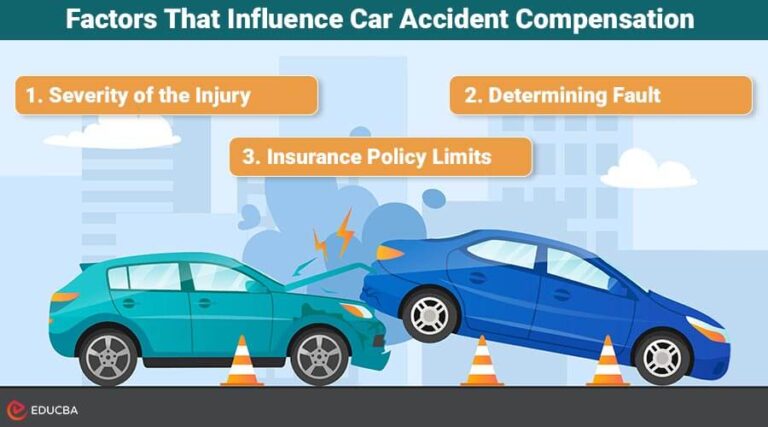
The issue of liability and negligence can significantly influence the final settlement amount in a personal injury case. If the injured party can prove that the negligence of another party directly caused their injuries, the liable party may be required to compensate for the damages.
The degree of fault assigned to each party can impact the final settlement amount, with higher levels of negligence potentially leading to larger compensation awards.
In a personal injury case, there are various types of damages that can be awarded to compensate the injured party for their losses. These damages can be categorized into economic, non-economic, and punitive damages, each serving a different purpose in the settlement calculation.
Economic damages are tangible losses that can be easily quantified in monetary terms. They include medical expenses, lost wages, property damage, and any other financial losses directly related to the injury. For example, if a person incurs $10,000 in medical bills and loses $5,000 in wages due to the injury, these would be considered economic damages.
Non-economic damages, on the other hand, are more subjective and cover intangible losses such as pain and suffering, emotional distress, and loss of enjoyment of life. Calculating non-economic damages can be more challenging, as there is no fixed formula. Courts typically consider the severity of the injury, the impact on the individual’s life, and similar cases in the past to determine an appropriate amount.
Punitive damages are awarded in cases where the defendant’s actions were particularly reckless or malicious. Unlike economic and non-economic damages, which aim to compensate the victim, punitive damages are meant to punish the wrongdoer and deter similar behavior in the future.
Punitive damages are often awarded in addition to compensatory damages, serving a different purpose in the overall settlement amount.
When calculating a settlement amount, future medical expenses are considered to ensure that the injured party receives adequate compensation for ongoing treatment and care. This may involve consulting with medical experts to estimate the cost of future procedures, therapies, medications, and any other medical needs that may arise as a result of the injury.
These future medical expenses are then factored into the settlement amount to provide fair and just compensation to the injured party.
In a personal injury case, the evidence presented plays a crucial role in determining the compensation amount. Various forms of evidence are essential to support and strengthen a claim for damages.
Medical records are vital pieces of evidence in a personal injury case as they provide documented proof of the injuries sustained by the victim. These records detail the extent of the injuries, the treatment received, and the prognosis for recovery.
They help establish the link between the accident and the resulting damages, forming a basis for calculating compensation.
Witness testimonies can provide additional support to a personal injury claim by corroborating the events that led to the injury. Eyewitness accounts can help establish liability and demonstrate the impact of the accident on the victim. Witness testimonies add credibility to the claim and can influence the settlement amount.
Expert opinions from medical professionals, economists, or accident reconstruction specialists can be crucial in estimating the damages in a personal injury case. These experts analyze the evidence, assess the impact of the injuries, and calculate the financial losses suffered by the victim.
Their opinions carry weight in negotiations and court proceedings, influencing the compensation awarded.
Documentation such as medical bills, receipts for expenses related to the injury, photographs of the accident scene, police reports, and correspondence with insurance companies are essential to support a settlement calculation. These documents provide a comprehensive overview of the damages incurred and help in justifying the compensation amount sought by the victim.
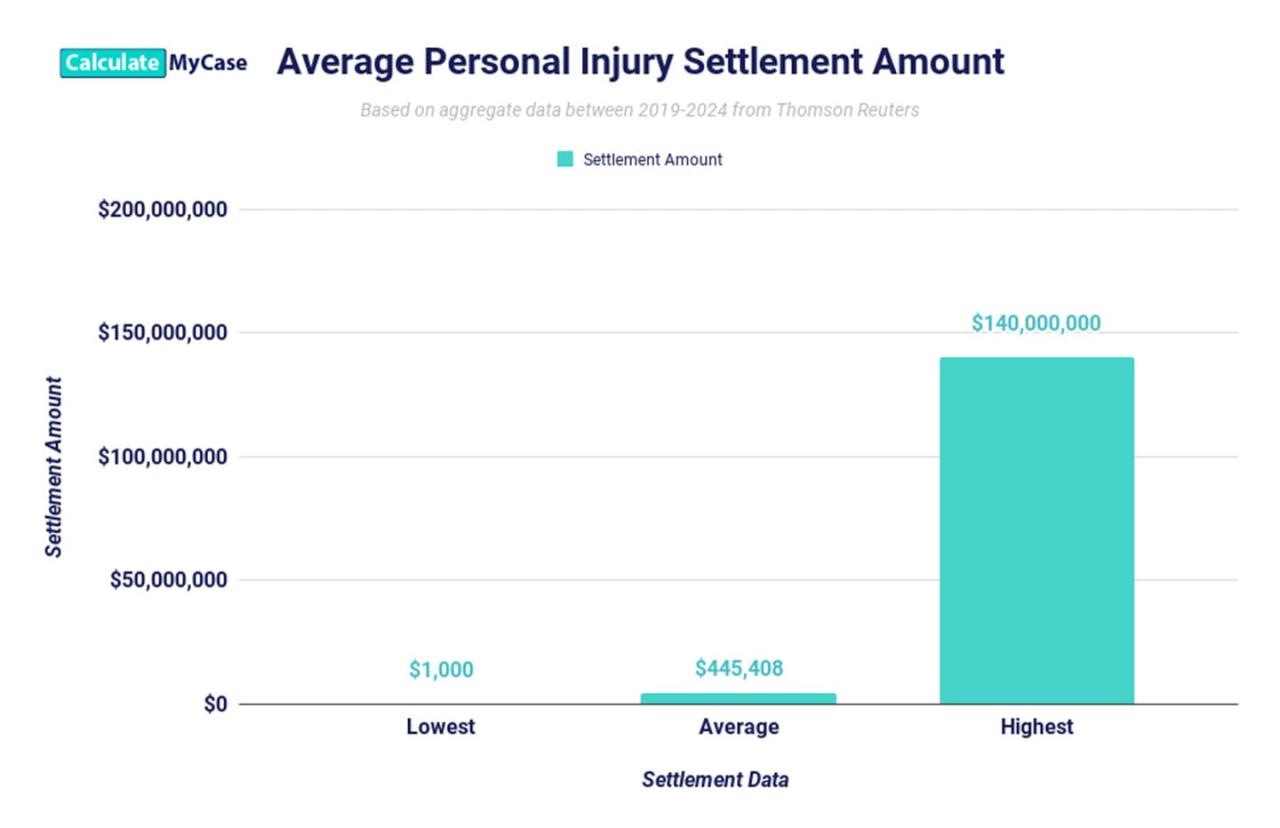
When it comes to personal injury settlements, there are several legal considerations that can have a significant impact on the compensation you receive. Understanding these factors is crucial in determining the final amount you may be entitled to.
How do pre-existing conditions influence a settlement?
Pre-existing conditions can impact a settlement by affecting the extent to which the injury in question exacerbated the existing condition. This can complicate the evaluation of damages and may lead to a lower settlement amount.
What role does insurance coverage play in determining final compensation?
Insurance coverage can significantly impact final compensation by setting limits on the amount that can be recovered. Understanding the terms of your insurance policy is crucial in gauging the potential compensation you may receive.
How are future medical expenses factored into settlements?
Future medical expenses are typically estimated based on expert opinions and medical projections. These costs are then considered in the overall settlement calculation to ensure that the compensation covers both current and anticipated medical needs.