How Much Compensation Can You Claim After a Car Accident?
Exploring the intricacies of compensation claims after a car accident, this article delves into the various factors that influence the amount one can claim. From negligence to lost wages, the journey towards understanding compensation is both enlightening and informative.
As we navigate through the different types of compensation available and the legal considerations involved, a clearer picture emerges of the complexities surrounding this topic.
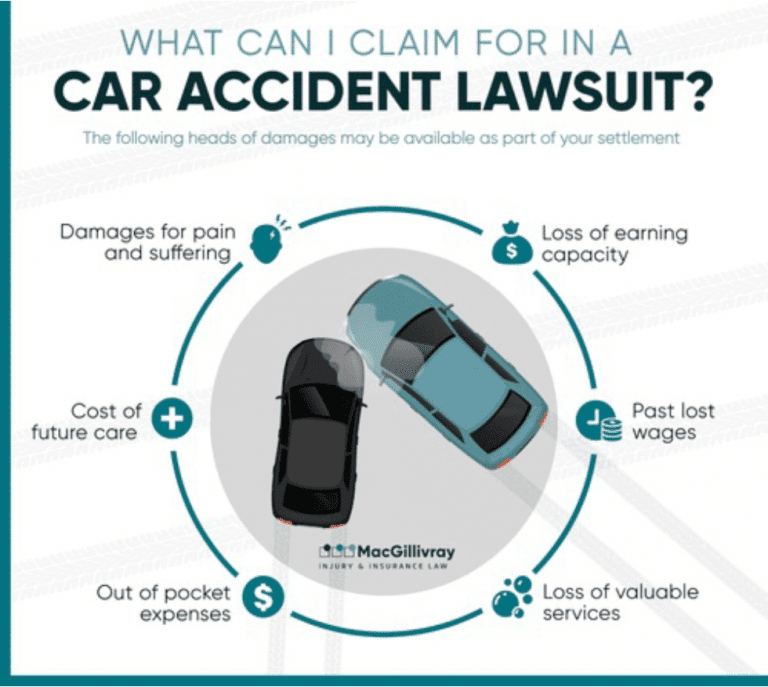
In a car accident case, several factors play a crucial role in determining the compensation amount that the injured party can claim.
Negligence is a key factor in determining compensation after a car accident. The degree of fault assigned to each party involved in the accident can significantly impact the final compensation amount. The more negligent the at-fault party is deemed to be, the higher the potential compensation for the injured party.
Medical expenses incurred as a result of the car accident play a major role in calculating the compensation amount. The cost of medical treatment, rehabilitation, medication, and any future medical care needed will all be taken into account when determining the final compensation figure.
Lost wages due to the inability to work after the accident can also impact the compensation claim. The injured party may be entitled to compensation for the income lost during the recovery period, as well as any future loss of earning capacity resulting from the injuries sustained in the accident.
Pain and suffering, which refer to the physical and emotional distress experienced as a result of the accident, can also influence the final compensation amount. While it is challenging to quantify pain and suffering in monetary terms, it is an important factor considered in determining a fair compensation amount for the injured party.
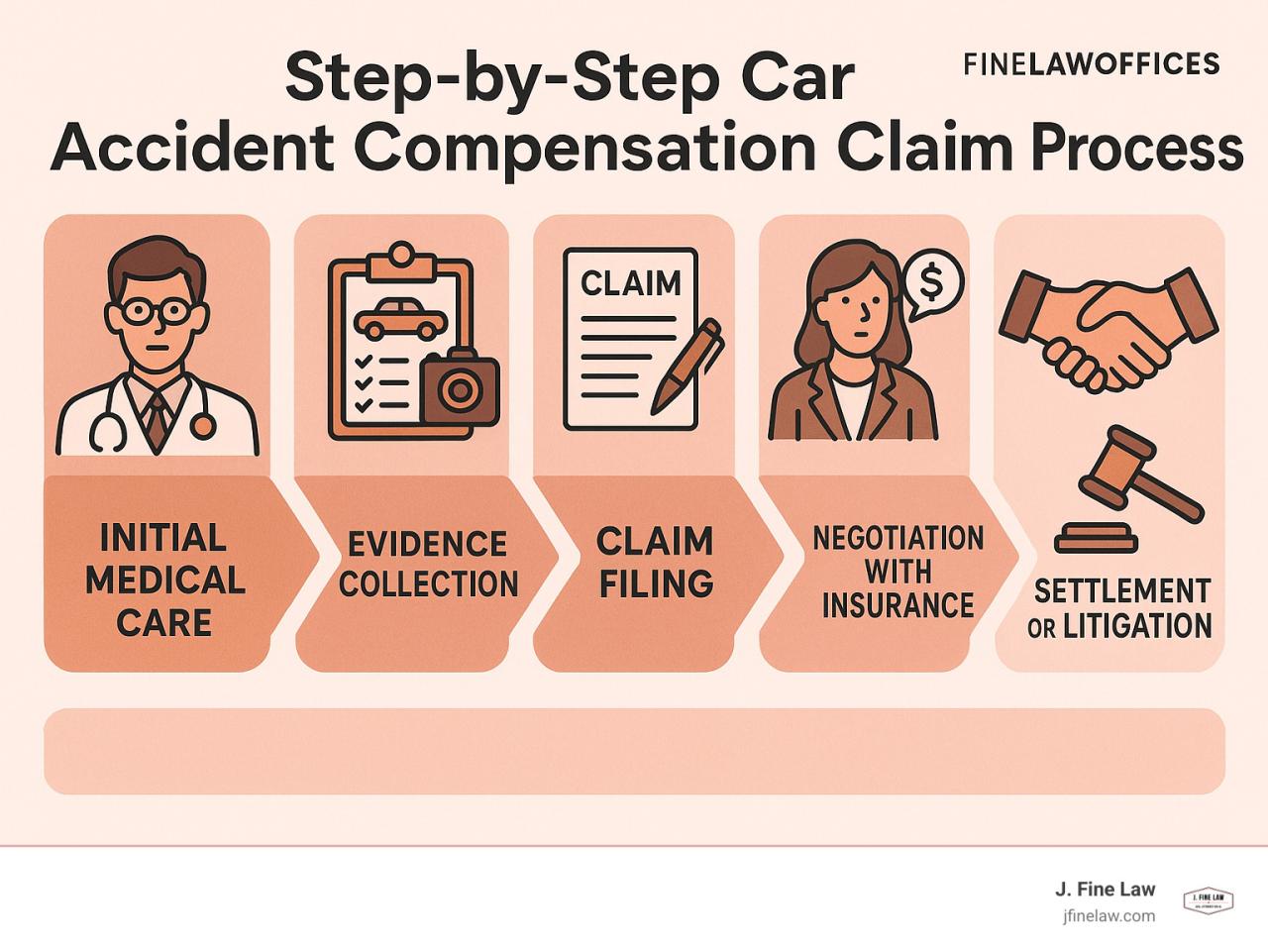
After a car accident, there are various types of compensation that can be claimed to cover the losses and damages incurred. These compensations are categorized into economic damages, non-economic damages, and punitive damages.
Economic damages refer to the financial losses that a victim suffers as a result of a car accident. These damages are tangible and can be calculated precisely. Examples of economic damages that can be included in a compensation claim are:
Non-economic damages are intangible losses that a victim experiences after a car accident. These damages are subjective and do not have a specific dollar value. They include:
Punitive damages are awarded in cases where the at-fault party’s actions were deemed to be especially reckless or malicious. These damages are meant to punish the wrongdoer and deter similar behavior in the future. Punitive damages may apply in a compensation claim if the at-fault party was driving under the influence, engaging in road rage, or intentionally causing the accident.
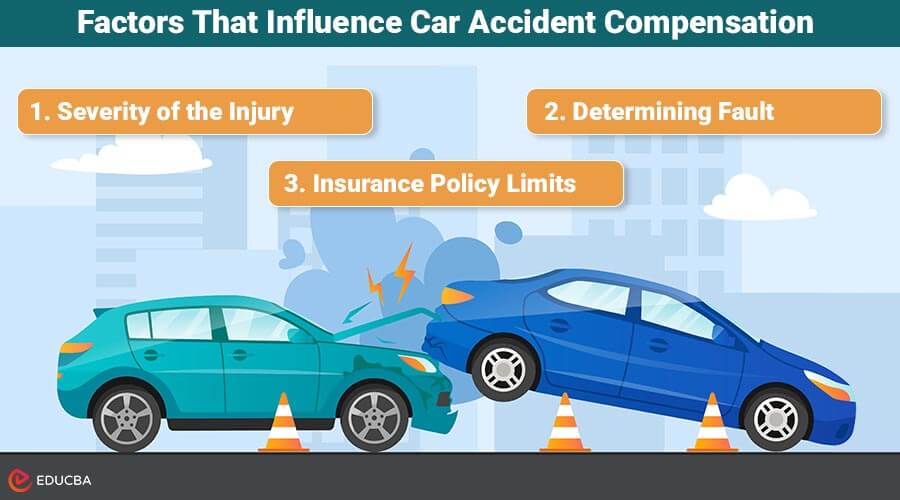
Calculating compensation after a car accident involves a detailed assessment of various factors to determine the appropriate monetary value of damages. This process is crucial in ensuring that victims receive fair and adequate compensation for their losses.
Insurance companies typically use a formula to calculate compensation amounts based on the severity of injuries, property damage, and other relevant factors. They may also take into account the policy limits and coverage of the at-fault party.
Compensation = (Total Economic Losses + Non-Economic Damages) x Multiplier
For example, consider a car accident victim who incurs $10,000 in medical expenses, $5,000 in lost wages, and experiences significant pain and suffering. The insurance company may use a multiplier of 2 to calculate non-economic damages, resulting in a total compensation amount of $30,000 (($10,000 + $5,000) x 2 = $30,000).
When dealing with compensation claims after a car accident, there are several legal considerations that can significantly impact the outcome of your case.
The statute of limitations refers to the time limit within which a legal action must be taken. In the context of car accident compensation claims, the statute of limitations varies by state, typically ranging from one to six years. It is crucial to file your claim within this time frame to ensure your case is valid and can be pursued.
Seeking legal advice from a qualified attorney is essential when pursuing a compensation claim after a car accident. An experienced lawyer can provide guidance on navigating the legal process, assess the strength of your case, negotiate with insurance companies, and represent your best interests in court if necessary.
In some states, compensation amounts may be affected by comparative negligence laws. Comparative negligence considers the percentage of fault assigned to each party involved in the accident. If you are found partially responsible for the accident, your compensation may be reduced proportionately.
It is crucial to understand how comparative negligence laws apply in your state to manage expectations regarding compensation.
Various laws and regulations impact compensation claims after a car accident. For example, states may have specific laws regarding no-fault insurance, minimum coverage requirements, and limitations on certain types of damages. It is essential to be familiar with these laws to ensure your claim is handled correctly and that you receive the compensation you are entitled to.
How is negligence factored into determining compensation?
Negligence plays a crucial role in assessing compensation, as it determines liability and fault in the accident.
What are punitive damages and when do they apply?
Punitive damages are awarded to punish the at-fault party and deter similar behavior in the future. They are typically awarded in cases of extreme negligence.
How do insurance companies assess compensation amounts?
Insurance companies consider various factors such as medical expenses, lost wages, and pain and suffering when determining compensation amounts.
What is the statute of limitations for filing a compensation claim after a car accident?
The statute of limitations varies by state but generally ranges from 1 to 3 years from the date of the accident.
How does comparative negligence impact the final compensation amount?
Comparative negligence reduces the compensation amount based on the percentage of fault assigned to the claimant.