Workplace Injury Compensation Claim: Legal Options, Costs, and Settlement Factors
Beginning with Workplace Injury Compensation Claim: Legal Options, Costs, and Settlement Factors, the narrative unfolds in a compelling and distinctive manner, drawing readers into a story that promises to be both engaging and uniquely memorable.
The following paragraphs will provide detailed insights and information on the various aspects of workplace injury compensation claims, helping readers navigate this complex legal territory with clarity and understanding.
Workplace injury compensation claims are essential for employees who have suffered injuries or illnesses while on the job. These claims aim to provide financial support and assistance to workers who have been harmed in the workplace.
A workplace injury refers to any harm or illness that occurs as a result of work-related activities. This can include physical injuries, such as fractures or sprains, as well as occupational illnesses caused by exposure to harmful substances.
Filing a compensation claim is crucial for injured workers to receive the financial support they need to cover medical expenses, lost wages, and rehabilitation costs. It also helps hold employers accountable for maintaining a safe work environment.
When seeking compensation for a workplace injury, there are various legal options available to injured workers. Understanding the differences between workers’ compensation, personal injury lawsuits, and third-party claims is crucial in determining the best course of action.
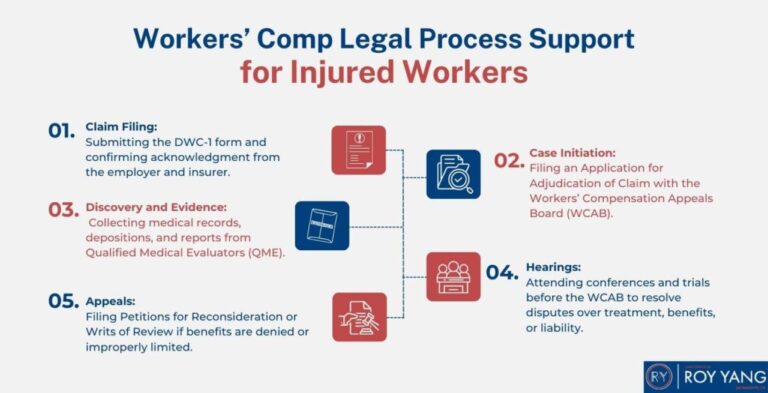
Workers’ compensation is a system that provides benefits to employees who are injured on the job. This no-fault system allows injured workers to receive medical treatment and wage replacement without having to prove fault on the part of the employer.
For example, if a construction worker falls from a scaffold and sustains injuries, they may be eligible for workers’ compensation benefits.
Personal injury lawsuits involve holding a negligent party accountable for causing harm to another person. In the context of workplace injuries, this option may be pursued if the injury was due to the employer’s intentional actions or extreme negligence. For instance, if a factory worker is injured due to faulty machinery that the employer failed to maintain, a personal injury lawsuit may be appropriate.
Third-party claims arise when a party other than the employer is responsible for the workplace injury. This could include manufacturers of defective equipment, subcontractors, or other entities working on the same job site. An example of a successful third-party claim is when a delivery driver is injured in a car accident caused by a negligent driver from another company.
Having an experienced attorney is essential when navigating workplace injury compensation claims. An attorney can provide legal guidance, negotiate with insurance companies, gather evidence, and represent the injured worker in court if necessary. Their expertise can significantly increase the chances of a successful outcome in the case.
The statute of limitations refers to the time limit within which a workplace injury compensation claim must be filed. This timeframe varies by state and type of claim. It is crucial to be aware of and adhere to these deadlines to avoid the risk of losing the right to seek compensation.
For instance, in California, the statute of limitations for filing a workers’ compensation claim is generally one year from the date of injury.
When pursuing a workplace injury compensation claim, it is essential to consider the potential costs that may arise throughout the process. These costs can vary depending on various factors, including legal representation, court fees, medical bills, and ongoing treatment expenses.
Legal representation is crucial when filing a workplace injury compensation claim, as navigating the legal system can be complex. Hiring a personal injury lawyer typically involves fees that can vary based on the attorney’s experience and the complexity of the case.
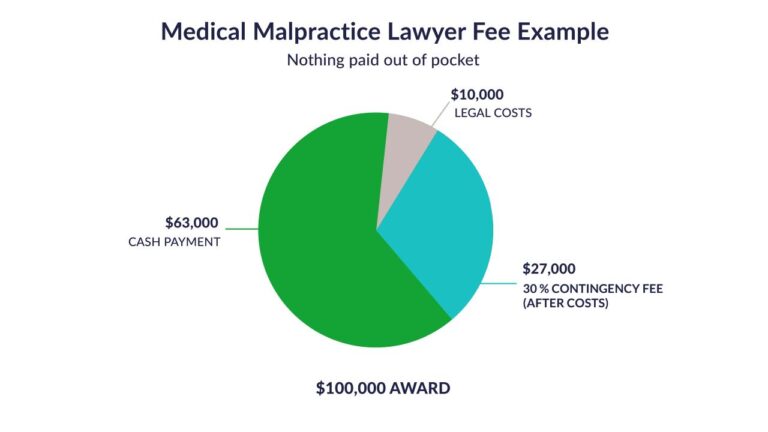
Some lawyers may work on a contingency fee basis, meaning they only get paid if the claim is successful, usually taking a percentage of the settlement amount.
Filing a workplace injury compensation claim may also involve court fees, which can include filing fees, deposition costs, expert witness fees, and other expenses related to presenting the case in court. These fees can add up and should be considered when determining the overall cost of pursuing a claim.
In addition to legal costs, claimants may also incur expenses related to medical bills and ongoing treatment for their workplace injuries. These costs can include hospital bills, physician fees, rehabilitation expenses, prescription medications, and any other healthcare services necessary for recovery.
It is important to keep track of all medical expenses as they can be included in the compensation sought.
There are financial risks for the claimant when pursuing workplace injury compensation, especially if the case is not successful. If the claim is unsuccessful, the claimant may still be responsible for legal fees and court costs, which can add up to a significant financial burden.
It is crucial to weigh the potential risks and benefits before deciding to pursue a compensation claim to ensure that the costs involved are manageable and justifiable.
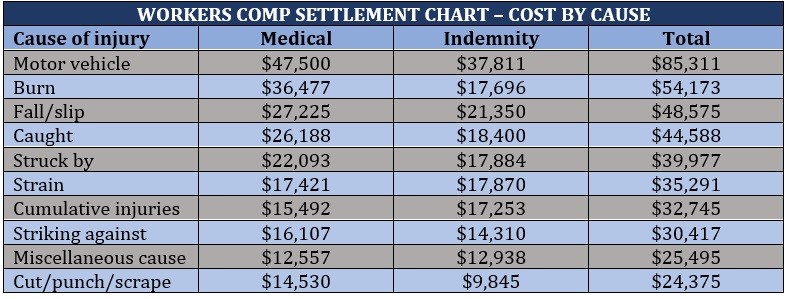
In workplace injury compensation claims, several factors come into play when determining the settlement amount. These factors can significantly impact the final outcome of the case and the compensation received by the injured party.
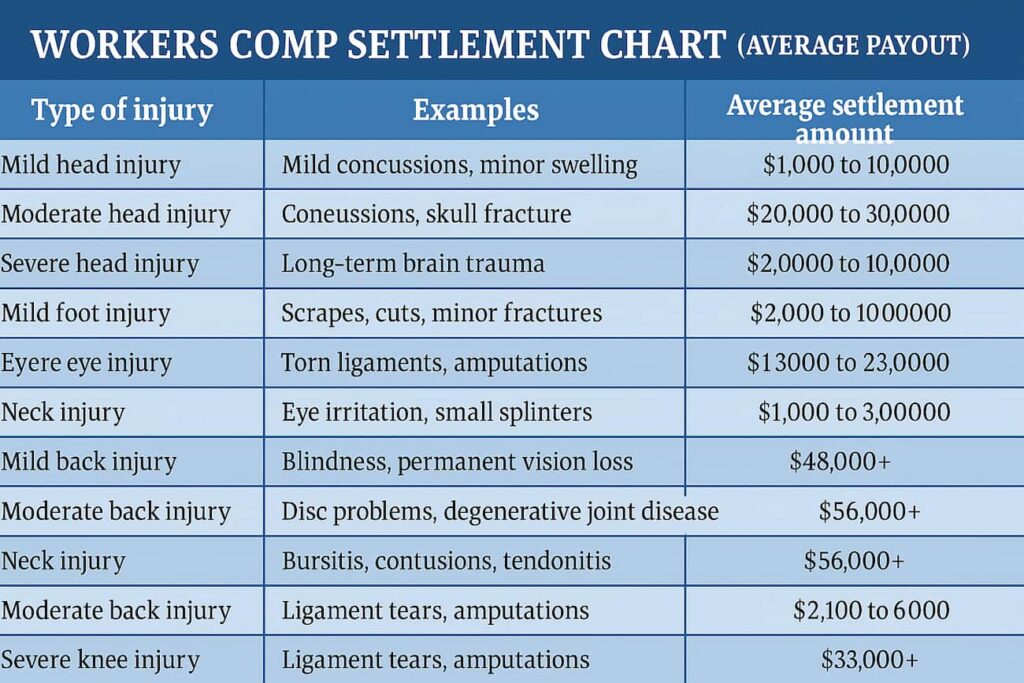
The severity of the injury is a crucial factor that influences the settlement amount in workplace injury compensation claims. More severe injuries that result in long-term disabilities or require extensive medical treatment often lead to higher settlements. The extent of the injury, the impact on the individual’s ability to work, and the long-term implications are all taken into consideration when determining the compensation amount.
Liability and negligence play a key role in determining the settlement in workplace injury compensation claims. If the employer or another party is found to be at fault for the injury due to negligence or failure to provide a safe working environment, the settlement amount is likely to be higher.
Clear evidence of liability and negligence can significantly impact the outcome of the case.
Insurance coverage also plays a significant role in the settlement process of workplace injury compensation claims. If the employer has adequate insurance coverage that can cover the costs associated with the injury, the settlement amount may be higher. On the other hand, limited insurance coverage or lack of coverage can lead to lower settlement amounts and additional challenges in obtaining compensation.
Several factors can lead to either a higher or lower settlement amount in workplace injury compensation claims. These factors include the extent of the injury, the impact on the individual’s ability to work, medical expenses, lost wages, pain and suffering, and any long-term disabilities.
Additionally, the presence of strong evidence, expert testimonies, and legal representation can also influence the settlement amount positively.
What is the importance of filing a compensation claim?
Filing a compensation claim is essential to receive financial support and coverage for medical expenses and lost wages resulting from a workplace injury.
What are the financial risks for the claimant when pursuing compensation?
There may be financial risks involved if the claim is unsuccessful, leading to potential loss of time and resources. Consulting with a legal professional can help assess and mitigate these risks.
How does liability and negligence impact settlement amounts in workplace injury claims?
Liability and negligence play a significant role in determining settlement amounts, with higher levels of negligence often resulting in increased compensation for the injured party.
Are all types of workplace injuries eligible for compensation?
Not all workplace injuries may be eligible for compensation. It depends on factors such as the severity of the injury, the circumstances surrounding it, and applicable laws.