No Win No Fee Injury Lawyer: How Legal Fees and Claims Work
Delving into the realm of No Win No Fee Injury Lawyer: How Legal Fees and Claims Work, this initial glimpse aims to capture the attention of readers, paving the way for an insightful exploration ahead.
The subsequent paragraph will shed light on the intricacies of the subject matter.
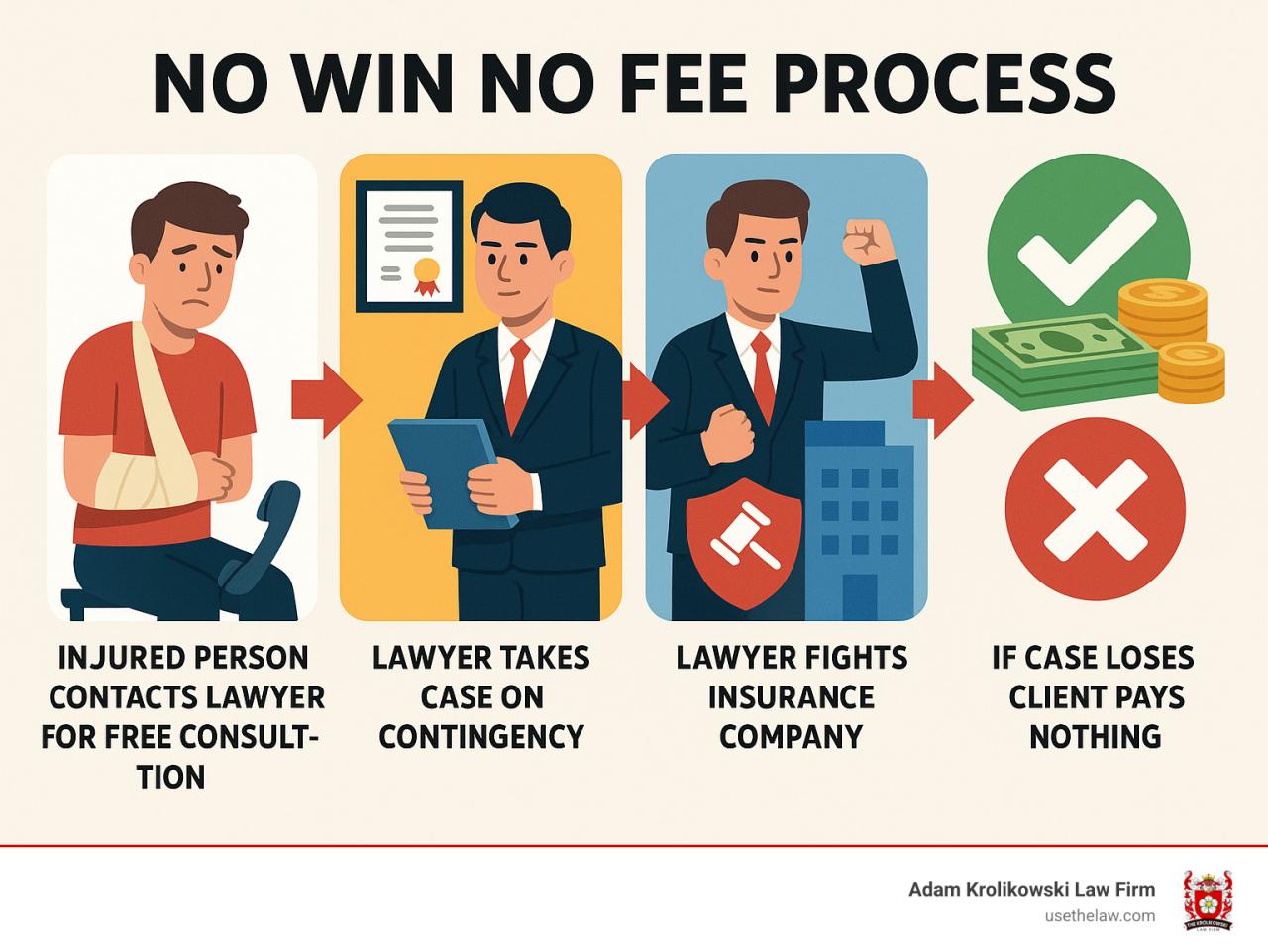
No Win No Fee, also known as a Conditional Fee Agreement, is a payment arrangement where the client only pays legal fees if their case is successful. If the case is unsuccessful, the client does not have to pay any legal fees.
This type of arrangement is commonly used in personal injury cases.
In personal injury cases, understanding the fee structure of your lawyer is crucial to ensure transparency and avoid any surprises along the way. Let’s delve into the typical fee structure for injury lawyers in standard cases and compare it with the fee structures of traditional legal services and ‘No Win No Fee’ lawyers.
In standard cases, injury lawyers usually charge a contingency fee, which is a percentage of the compensation awarded to the client. This means that if the case is successful, the lawyer will receive a percentage of the settlement as their fee.
However, if the case is not successful, the client does not owe any legal fees.
Traditional legal services often require clients to pay hourly rates or a retainer fee upfront, regardless of the outcome of the case. On the other hand, ‘No Win No Fee’ lawyers only get paid if they win the case, providing a more accessible option for individuals who may not have the financial means to pay for legal services upfront.
Clients should be aware of any potential hidden costs or additional fees that may arise during the legal process. These could include court filing fees, expert witness fees, or administrative costs. It is essential to discuss these potential expenses with your lawyer upfront to avoid any surprises later on.

When filing a claim with a ‘No Win No Fee’ injury lawyer, the process typically begins with an initial consultation where the lawyer assesses the details of your case. If they believe you have a strong case, they may agree to represent you under a ‘No Win No Fee’ agreement.
When it comes to working with a ‘No Win No Fee’ injury lawyer, there are a few key considerations to keep in mind to ensure a smooth and successful legal process.Clear communication and managing expectations are crucial when engaging with a ‘No Win No Fee’ lawyer.
It is important to establish open lines of communication from the start and be transparent about your goals and objectives for the case. This will help set realistic expectations and avoid any misunderstandings down the road.When choosing a reputable ‘No Win No Fee’ injury lawyer, consider the following tips:
Before engaging a ‘No Win No Fee’ lawyer, clients should prepare the following:
How does the ‘No Win No Fee’ concept work in legal services?
The ‘No Win No Fee’ concept in legal services means that clients only pay their lawyer if they win the case. If the case is lost, there are no fees to be paid.
What are some common situations where ‘No Win No Fee’ arrangements are used?
‘No Win No Fee’ arrangements are commonly used in personal injury cases, medical negligence claims, and certain employment disputes.
What are the benefits and drawbacks of opting for a ‘No Win No Fee’ injury lawyer?
The benefits include reduced financial risk for clients, as they only pay if they win. However, drawbacks may include higher fees if the case is successful.
Are there any hidden costs or additional fees associated with ‘No Win No Fee’ lawyers?
Clients should be aware of potential additional costs such as court fees, expert witness fees, or administrative charges, which may not be covered under the ‘No Win No Fee’ agreement.